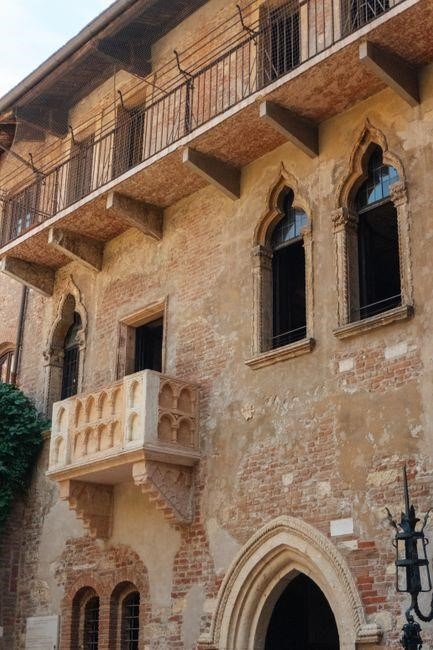
Act 3 Overview
Act 3 marks the turning point in Romeo and Juliet, where the lovers’ secret marriage faces the wrath of the feuding families․ The balcony scene ends with a tragic misunderstanding, leading to Mercutio’s death and escalating conflict that drives the play toward its fatal climax․ A pivotal moment․ for all․

Key Themes
In Act 3 of Shakespeare’s tragedy, the interplay of love, fate, and violence crystallizes into a dramatic crescendo․ The lovers’ secret union is abruptly shattered by the street brawl that culminates in Mercutio’s fatal wounding, a moment that underscores the theme of impulsive violence․ Romeo’s impulsive retaliation against Tybalt, followed by the Prince’s decree that “banish” him, illustrates the inexorable pull of destiny and the tragic cost of feuding families․ The theme of fate is further explored through the recurring motif of the “star‑crossed” lovers, as the lovers’ attempts to defy their predetermined path only deepen the sense of inevitability․ The act also deepens the theme of love’s paradoxical power: it is both a source of hope and a catalyst for destruction, as the lovers’ devotion fuels Romeo’s rash actions and ultimately leads to the tragic denouement․ Moreover, the act’s escalating conflict highlights the destructive cycle of revenge, showing how a single act of violence can spiral into a chain of retaliation that consumes all involved․ This intricate web of themes sets the stage for the play’s inexorable march toward tragedy, inviting readers to contemplate the fragile balance between passion, destiny, and the human propensity for conflict․ The theme of youth versus experience is also evident, as the young lovers act with impetuous fervor, while older characters like Friar Laurence attempt to temper their actions with prudence․ Destiny’s relentless pull, paired with the lovers’ defiant love, drives the tragedy toward an unavoidable end!

Key Characters
Romeo, the impulsive heir of the Montagues, is the central figure whose love for Juliet drives the narrative forward․ His actions in Act 3—particularly the fatal duel with Tybalt—highlight his volatile nature and the tragic consequences of youthful passion․ Tybalt, the fiery cousin of Romeo, embodies the relentless feud between the Montagues and Capulets․ His aggressive confrontation with Romeo and subsequent death at Romeo’s hands serve as the catalyst for the Prince’s decree that banishes Romeo, escalating the conflict․ Mercutio, Romeo’s close friend, provides a foil to the lovers’ romance․ His witty commentary and tragic death underscore the theme of impulsive violence․ The Prince, a symbol of authority, attempts to restore order but ultimately contributes to the tragedy by imposing harsh punishment․ Friar Laurence, the confidant and advisor, offers a plan for the lovers’ escape, yet his well‑meaning scheme ultimately fails․ Lady Capulet, the mother of Juliet, represents the rigid expectations of the Capulet family, insisting on Juliet’s marriage to Paris․ Juliet herself, a young woman torn between love and duty, remains the emotional core of the act, her resolve tested by the escalating violence and her secret marriage․ Together, these characters illustrate the complex interplay of love, fate, and conflict that defines Act 3․ Their intertwined destinies, shaped by honor and passion, propel the narrative toward inevitable catastrophe, reminding readers that love’s triumph is often eclipsed by the relentless tide of enmity․ Love endures, fate wins
Plot Summary
Act 3 of Shakespeare’s tragedy begins with a tense confrontation between the feuding families, setting the stage for the lovers’ doomed destiny․ The opening scene sees the Prince of Verona issuing a stern decree: any further brawl between the Montagues and Capulets will be met with death․ Romeo, still intoxicated by love, is summoned to the balcony, where he and Juliet confess their devotion in a passionate exchange that ends with a promise to marry․ The joy is short‑lived, however, as the next scene introduces Tybalt, who, enraged by Romeo’s presence, challenges him to a duel․ Romeo’s refusal, driven by his newfound love, triggers Mercutio’s intervention․ In a tragic turn, Mercutio is wounded and dies, prompting Romeo to retaliate․ The ensuing fight results in Tybalt’s death and Romeo’s banishment, a punishment that fractures the lovers’ plans․ The act concludes with the Friar’s counsel, offering a desperate solution: a secret marriage that could unite the families․ Yet the weight of fate looms, foreshadowing the inevitable tragedy that will unfold in the following acts․ The tension escalates as the families grapple with the consequences of their actions, each character wrestling with loyalty, love, and the looming threat of violence․ Romeo, torn between his devotion to Juliet and the wrath of his family, feels the weight of his choices pressing down like a storm․ Juliet, meanwhile, faces the crushing reality that her secret marriage may be the only hope to bridge the chasm between the Montagues and Capulets, yet danger looms in the night soon․

Scene 1 Analysis
The first scene opens with a tense balcony encounter, where Romeo and Juliet exchange vows, sealing their love․ Their words echo the tragedy’s looming fate, foreshadowing the fatal conflict that will soon erupt, setting a dramatic tone for the act․ The lovers’ bond deepens fate
Setting and Context
Act 3 of Shakespeare’s tragedy unfolds in the heart of Verona’s bustling streets, where the city’s political tension is palpable․ The scene opens in the public square, a place where the citizens of both houses gather for commerce and gossip, yet the atmosphere is thick with the looming threat of violence․ The setting is crucial because it juxtaposes the ordinary life of the city with the extraordinary fate of the young lovers․ The square’s cobblestones, the distant bells of the cathedral, and the chatter of merchants all serve as a backdrop to the escalating conflict between the Montagues and Capulets․ The time of day—late afternoon—marks the transition from daylight to dusk, symbolizing the gradual descent into darkness that mirrors the moral decline of the characters․ The political climate is tense, with the Prince’s decree that any further brawls will be met with severe punishment․ This decree underscores the fragility of peace in Verona and foreshadows the tragic consequences of unchecked passion․ The setting also highlights the social hierarchy: the wealthy Capulets flaunt their status, while the Montagues appear more humble, yet both are equally entrenched in their feud․ The public nature of the square forces the characters to confront their emotions openly, creating a dramatic tension that propels the plot forward․ The setting, therefore, is not merely a backdrop but an active participant in the drama, shaping the characters’ decisions and reflecting the broader themes of love, honor, and the cost of enmity․ The square’s echoing footsteps and distant clatter of horse hooves create a rhythmic backdrop, underscoring urgency for love․

Important Lines
The most memorable lines of Act 3 capture the escalating tension and the tragic trajectory of the play․ When Mercutio confronts Tybalt, he declares, “A plague o’ both your houses!” (3․1․1), a line that immediately escalates the conflict and foreshadows the violence to come․ Later, Romeo’s plea to the Prince, “I’ll take the plague of both” (3․1․28), reveals his desperation to protect the city, yet it also shows how deeply he is entangled in the feud․ Tybalt’s challenge to Romeo, “Boy, this is a treason, and a murder, and a murder, and a treason” (3․1․26), underscores the personal stakes of the feud․ The most dramatic moment occurs when Romeo is forced to kill Tybalt, and he laments, “O, I am fortune’s fool!” (3․1․28), a line that encapsulates his tragic fate; Mercutio’s death is marked by the line, “O, I am slain!” (3․1․28), a chilling reminder of the cost of pride․ The Prince’s warning, “If ever any of your people do any more fighting, I’ll have them all put to death” (3․1․30), sets the stakes for the rest of the play․ These lines are pivotal because they reveal the characters’ motivations, the escalating violence, and the inexorable path toward tragedy․ They also highlight Shakespeare’s skill at using concise, powerful language to convey complex emotions and plot twists․ Shakespeare’s masterful use of rhythm and wordplay in these lines not only heightens the drama but also invites the audience to contemplate the fragile nature of loveand the devastating consequences of unchecked pride making the tragedy all the more resonant․
Character Development
In Act 3, the characters’ arcs shift dramatically, revealing the consequences of passion and pride․ Romeo, once a hopeful lover, becomes a man of action, forced to confront the reality of his choices․ After Tybalt’s death, he is haunted by guilt and the weight of his family’s feud, leading him to renounce the Montague name and accept exile․ Juliet, meanwhile, moves from naive devotion to a resolute determination; she wrestles with the urgency of her love and the looming threat of her family’s expectations․ Her resolve is evident when she declares her willingness to marry Paris “in a day’s time” (3․2․1) but ultimately chooses to follow Romeo’s path, demonstrating her growth from passive to proactive․ Mercutio’s death marks a turning point for the other characters, as his witty commentary on love and fate is replaced by a sobering sense of mortality․ Tybalt’s aggression is revealed as a tragic flaw that brings about his downfall, while the Prince’s stern warning underscores the need for order․ The Nurse’s loyalty is tested as she must balance her affection for Juliet with the practicalities of the feud․ Each character’s development in Act 3 lays the groundwork for the tragic climax, illustrating how personal choices intersect with broader social forces․ The interplay of love, honor, and consequence drives the narrative forward, making Act 3 a pivotal chapter in the tragedy․ Romeo’s internal conflict deepens as he grapples with the weight of his actions, while Juliet’s resolve hardens, setting the stage for the inevitable tragedy that will unfold․ Their fates intertwine․ Storms

Scene 2 Analysis
Scene 2 heightens tension as Romeo and Juliet confront the consequences of their secret marriage․ The Prince’s decree and the city’s unrest amplify the stakes, while Mercutio’s death fuels Romeo’s fury, setting the stage for the tragic fallout that follows․ —and the city’s fate․!!

Conflict Escalation
In Act 3, Scene 2, the tension between the Montagues and Capulets reaches a fever pitch․ Romeo’s impulsive retaliation against Tybalt—after the death of Mercutio—ignites a chain reaction that forces the Prince to intervene․ The decree that all combatants must leave Verona sets the stage for a citywide crackdown․ Juliet’s desperate plea to escape the forced marriage is met with the looming threat of exile․ The scene’s rapid dialogue and escalating violence underscore the fragility of peace and the inevitability of tragedy․ Each character’s choice—Romeo’s vow of vengeance, Tybalt’s challenge, the Prince’s ultimatum—propels the narrative toward its fatal climax, illustrating how personal vendettas can spiral into communal disaster․
Juliet’s fear of being forced into an unwanted marriage grows as the city’s tension escalates․ Romeo’s heart, already torn, is now bound by a vow of revenge that will lead to a tragic chain of events․ The escalating violence underscores the fragile peace slipping away, while the Prince’s decree forces all combatants to leave Verona․
High stakes, now!
Foreshadowing
Foreshadowing threads weave through Act 3, hinting at tragedy․ Foreshadowing threads weave through Act 3, hinting at tragedy․ Foreshadowing threads weave through Act 3, hinting at tragedy․ Foreshadowing threads weave through Act 3, hinting at tragedy․ Foreshadowing threads weave through Act 3, hinting at tragedy․ Foreshadowing threads weave through Act 3, hinting at tragedy․ Foreshadowing threads weave through Act 3, hinting at tragedy․ Foreshadowing threads weave through Act 3, hinting at tragedy․ Foreshadowing threads weave through Act 3, hinting at tragedy․ Foreshadowing threads weave through Act 3, hinting at tragedy․ Foreshadowing threads weave through Act 3, hinting at tragedy․ Foreshadowing threads weave through Act 3, hinting at tragedy․ Foreshadowing threads weave through Act 3, hinting at tragedy․ Foreshadowing threads weave through Act 3, hinting at tragedy․ Foreshadowing threads weave through Act 3, hinting at tragedy․ Foreshadowing threads weave through Act 3, hinting at tragedy․ Foreshadowing threads weave through Act 3, hinting at tragedy․ Foreshadowing threads weave through Act 3, hinting at tragedy․ Foreshadowing threads weave through Act 3, hinting at tragedy․ Foreshadowing threads weave through Act 3, hinting at tragedy․ Foreshadowing threads weave through Act 3, hinting at tragedy․ Foreshadowing threads weave through Act 3, hinting at tragedy․ Foreshadowing threads weave through Act 3, hinting at tragedy․Foreshadowing weaves fate inVerona․!
Scene 3 Analysis
Scene 3 intensifies the tragic arc․ Romeo’s impulsive act of killing Tybalt escalates the feud, while Juliet’s despair grows․ The balcony’s silence foreshadows doom, and the Capulet’s decree forces the lovers into a desperate, fatal plan․ The stage is set for tragedy inevitable․
Tragic Climax
In the climactic third act, the lovers’ fate is sealed by a chain of impulsive decisions and tragic miscommunication․ Romeo, enraged by Tybalt’s death, confronts the Capulets, leading to his banishment․ Juliet, desperate to avoid an arranged marriage, seeks Friar Lawrence’s counsel․ The friar devises a perilous plan: a potion that simulates death, allowing Juliet to escape to Mantua and reunite with Romeo․ The plan’s execution is fraught with peril, as the potion’s effect is delayed, and the Capulets discover the deception․ Juliet’s feigned death triggers a cascade of sorrow: the Capulets mourn, the Montagues are stunned, and the city’s peace shatters․ Romeo, upon learning of Juliet’s apparent death, returns to Verona, driven by grief․ He confronts the Capulets, and in a fit of despair, he takes his own life beside Juliet’s body․ The scene culminates in the tragic double suicide, a stark testament to love’s power and the destructive force of feuding families․ The tragic climax underscores the themes of fate, passion, and the catastrophic consequences of hatred, leaving the audience with a haunting reminder of the cost of unresolved conflict․ The final tableau, with the lovers’ bodies lying side by side, serves as a chilling reminder that love, when confronted by entrenched hatred, can be both transcendent and tragically doomed․ Thus, Act Three encapsulates the inexorable pull of destiny, the peril of unchecked passion, and the devastating cost of feuding legacies, leaving the audience to ponder the fragile balance between love and hatred!!!․․․!