These PDF notes distill Primack’s 3rd‑edition text‚ highlighting species‑area curves‚ extinction risk‚ and conservation planning. They feature concise definitions‚ key diagrams‚ and quick‑review questions to reinforce core ideas.
Primack’s third edition‚ 476 pages‚ is a core text for undergraduate and graduate courses in conservation biology‚ ecology‚ and environmental science. It blends theory with case studies‚ covering species‑area relationships‚ population viability‚ and protected‑area roles. The book updates genetic diversity‚ ecosystem restoration‚ and policy discussions‚ providing a science‑policy nexus. Extensive bibliographies‚ instructor resources‚ and online materials support its use as a primary textbook or supplement.
Each chapter starts with learning objectives‚ core concepts‚ figures‚ and end‑of‑chapter questions. Topics include IUCN Red List criteria‚ habitat fragmentation‚ climate change impacts‚ and field‑study design. Updated case studies—California condor recovery‚ coral reef restoration—show how science drives policy and management. The text equips readers with analytical tools and critical thinking for addressing global biodiversity loss.
The edition also incorporates interactive online modules and downloadable datasets‚ enabling students to practice data analysis and modeling techniques. Readers also find a concise glossary of key terms and a set of suggested reading lists that broaden the context of conservation challenges worldwide. The text’s emphasis on interdisciplinary collaboration encourages students to integrate ecological‚ social‚ and economic perspectives when designing conservation interventions. Finally‚ the edition concludes with a chapter on remote sensing‚ genetic sequencing for monitoring worldwide biodiversity!
Key Concepts in Conservation Biology
Conservation biology centers on preserving species‚ habitats‚ and ecological processes. Core ideas include the species‑area relationship‚ which predicts how many species a given area supports‚ and the extinction‑risk framework that links population size‚ genetic diversity‚ and environmental change. Population viability analysis (PVA) uses demographic data to forecast extinction probabilities and guide management actions. Genetic diversity is highlighted as a buffer against inbreeding depression and a driver of adaptive potential. Protected‑area design‚ such as core reserves‚ buffer zones‚ and corridors‚ aims to maintain connectivity and reduce fragmentation. Ecosystem services—pollination‚ water purification‚ carbon sequestration—are quantified to justify conservation investments. Climate change is framed as a global driver that shifts species distributions‚ alters phenology‚ and increases the frequency of extreme events. Invasive species are identified as a major threat that can outcompete natives‚ alter food webs‚ and reduce biodiversity. The text stresses that effective conservation requires interdisciplinary collaboration‚ stakeholder engagement‚ and evidence‑based policy. Practical tools include species‑distribution modeling‚ GIS mapping‚ and cost‑benefit analysis to prioritize actions and allocate limited resources efficiently. This concise synthesis equips readers with foundational knowledge‚ bridging theory and practice‚ and underscores the urgency of collaborative‚ science‑driven conservation action worldwide for all stakeholders today.

Threats to Biodiversity
Habitat loss‚ fragmentation‚ and degradation remain the leading drivers of species decline‚ as urban expansion‚ agriculture‚ and infrastructure alter landscapes. Climate change amplifies these effects by shifting temperature and precipitation regimes‚ forcing species to migrate or adapt. Invasive species outcompete natives‚ alter food webs‚ and reduce genetic diversity. Overexploitation through hunting‚ fishing‚ and trade depletes populations faster than natural reproduction. Pollution—chemical runoff‚ plastic debris‚ and air contaminants—impairs health and reproductive success. Emerging diseases‚ often facilitated by human movement and environmental stress‚ pose additional mortality risks. Combined‚ these pressures accelerate extinction rates‚ erode ecosystem resilience‚ and threaten the provision of essential ecosystem services. Human‑induced fragmentation creates isolated populations that suffer from inbreeding‚ reduced gene flow‚ and increased vulnerability to stochastic events. Climate‑mediated shifts in phenology‚ such as earlier breeding or altered migration windows‚ can desynchronize predator‑prey interactions and reduce reproductive success across trophic levels. Effective conservation must therefore integrate adaptive management‚ monitoring of key indicators‚ and community participation to build resilience against these multifaceted threats. Moreover‚ transboundary cooperation is vital for migratory species now!!. Moreover‚ transboundary cooperation is vital for cross‑disciplinary research and funding to protect biodiversity.
Conservation Strategies and Management
Conservation biology employs a suite of evidence‑based strategies to halt biodiversity loss. First‚ habitat protection through the establishment of national parks‚ wildlife reserves‚ and marine sanctuaries preserves ecological integrity and safeguards keystone species. Second‚ restoration ecology restores degraded ecosystems by re‑introducing native vegetation‚ re‑establishing hydrological regimes‚ and removing invasive species‚ thereby enhancing habitat connectivity. Third‚ species‑specific management plans—such as captive breeding‚ head‑starting‚ and translocation—address demographic bottlenecks and genetic erosion. Fourth‚ integrated landscape management aligns conservation goals with agricultural‚ forestry‚ and urban planning‚ promoting sustainable land use and buffer zones. Fifth‚ policy instruments like the Endangered Species Act‚ CITES‚ and national biodiversity strategies create legal frameworks that enforce protection‚ regulate trade‚ and incentivize stewardship! Sixth‚ community‑based conservation mobilizes local stakeholders through participatory monitoring‚ ecotourism‚ and benefit‑sharing schemes‚ fostering stewardship and reducing conflict! Seventh‚ adaptive management applies iterative monitoring‚ modeling‚ and decision‑making to refine interventions under changing conditions! Finally‚ transboundary cooperation facilitates shared corridors‚ joint research‚ and harmonized legislation‚ essential for migratory and wide‑range species! Together‚ these strategies form a dynamic‚ multi‑level toolkit that balances ecological‚ economic‚ and social objectives to secure resilient ecosystems for future generations. Modern tools such as remote sensing‚ GIS mapping‚ and citizen‑science platforms enhance data collection and spatial analysis‚ enabling precise monitoring of habitat change‚ species distribution‚ and population trends! These technologies support rapid response to emerging threats and inform policy adjustments! Education and outreach programs raise public awareness‚ cultivate conservation ethic‚ and build support for protective legislation!
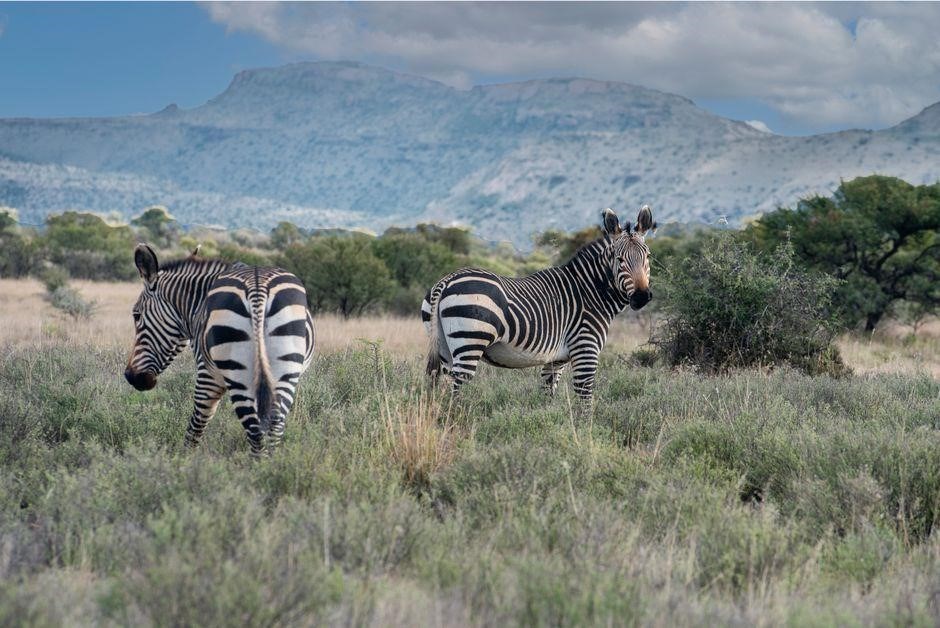
Protected Areas and Wildlife Management
Protected areas are core to conservation‚ offering safe habitats and corridors. Management includes zoning‚ monitoring‚ and community engagement. Effective strategies combine legal protection‚ scientific research‚ and adaptive practices to sustain biodiversity. They also serve as labs‚ enabling ecological studies;
Principles of Population Viability Analysis
Population viability analysis (PVA) is a quantitative tool used in conservation biology to forecast extinction risk and evaluate management options. It integrates life‑history parameters (survival‚ fecundity‚ age structure)‚ demographic stochasticity‚ environmental variability‚ and genetic factors. Core principles include:
- Model construction: deterministic or stochastic matrix models‚ individual‑based simulations.
- Parameter estimation: field data‚ mark‑recapture‚ telemetry‚ and literature values.
- Scenario testing: baseline‚ management interventions‚ climate change effects.
- Sensitivity analysis: identifying critical life‑history stages and demographic rates.
- Uncertainty quantification: confidence intervals‚ Monte Carlo simulations.
- Decision support: threshold probabilities of persistence‚ cost‑effectiveness‚ and policy implications.
PVA outputs such as extinction probability‚ mean time to extinction‚ and population trajectories guide conservation priorities‚ help justify protected area design‚ and inform adaptive management plans. In practice‚ PVA models are calibrated with long‑term monitoring data‚ and results are communicated to stakeholders through visual tools like extinction risk curves and management decision matrices. The iterative nature of PVA allows managers to refine assumptions‚ incorporate new data‚ and evaluate the effectiveness of conservation interventions over time. It informs policy management. More!! End!!!

Genetic Diversity and Conservation Genetics
Conservation genetics examines the role of genetic variation in species survival‚ focusing on maintaining allelic diversity‚ heterozygosity‚ and effective population size (Ne) to buffer against environmental change. Key metrics such as observed heterozygosity (Ho)‚ expected heterozygosity (He)‚ and inbreeding coefficients (FIS) help assess population health. Modern molecular markers—including microsatellites‚ single‑nucleotide polymorphisms (SNPs)‚ and whole‑genome sequencing—provide high‑resolution data on gene flow‚ population structure‚ and demographic history. These tools enable the identification of evolutionary significant units (ESUs) and management units (MUs)‚ guiding translocation‚ captive breeding‚ and assisted gene flow strategies. Genetic monitoring tracks temporal changes in allele frequencies‚ revealing bottlenecks‚ founder effects‚ and adaptive responses. Integrating genetic data with ecological and spatial information improves predictive models of species resilience to climate change‚ habitat fragmentation‚ and invasive species. Conservation genetics also informs legal frameworks‚ such as the Endangered Species Act‚ by defining distinct population segments and setting genetic benchmarks for recovery plans. Ultimately‚ preserving genetic diversity enhances adaptive capacity‚ reduces extinction risk‚ and supports ecosystem function.
Conservation genetics blends field observations with molecular data to direct translocations‚ captive breeding‚ and genetic rescue‚ boosting resilience and guiding policy for eco ecosystems.
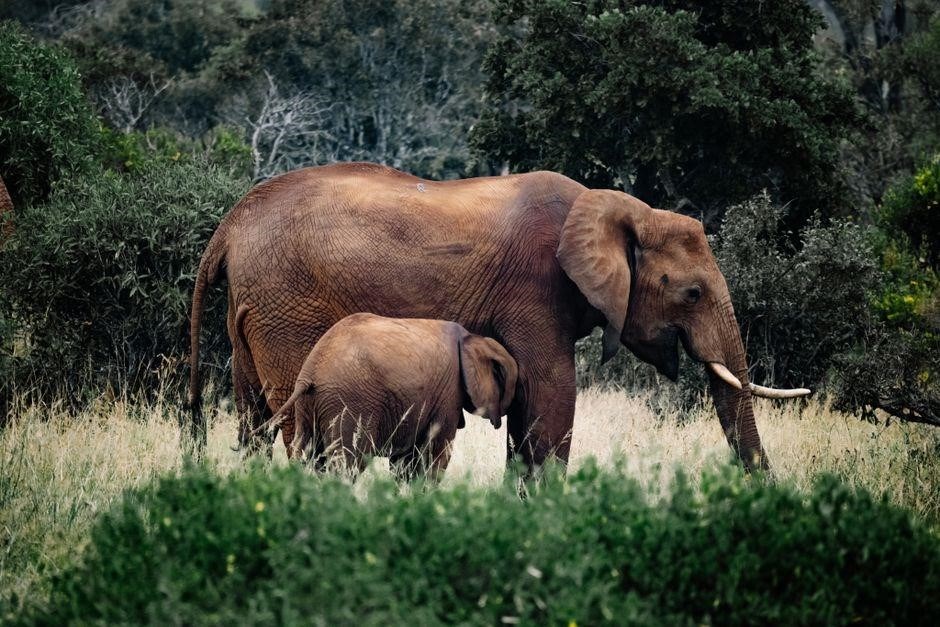
Restoration ecology seeks to return degraded ecosystems to a functional‚ self‑sustaining state by re‑establishing native species‚ hydrology‚ and soil processes. Core principles include ecological integrity‚ adaptive management‚ and stakeholder engagement. Techniques range from passive restoration (allowing natural succession) to active interventions such as re‑vegetation‚ invasive species removal‚ and hydrologic reconstruction. Success is evaluated through indicators like species richness‚ trophic structure‚ nutrient cycling‚ and ecosystem services. Monitoring protocols often employ remote sensing‚ plot surveys‚ and bioindicators to track progress and inform iterative adjustments. Case studies—e.g.‚ the Mississippi River floodplain‚ the restoration of the Great Barrier Reef‚ and the re‑vegetation of abandoned mine sites—illustrate the importance of site‑specific design‚ long‑term funding‚ and community participation. Challenges include climate change impacts‚ legacy pollutants‚ and limited genetic diversity of source material. Emerging tools such as genome‑guided restoration‚ ecological engineering‚ and machine‑learning predictive models are expanding the toolkit‚ enabling more resilient and scalable interventions. Ultimately‚ restoration aims to reconnect fragmented habitats‚ enhance biodiversity‚ and secure ecosystem resilience for future generations. Funding mechanisms such as payment for ecosystem services‚ conservation trust funds‚ and partnerships provide financial sustainability. Legal frameworks like the Clean Water Act and the Endangered Species Act mandate restoration actions‚ while Ramsar promotes wetland rehabilitation. Despite successes‚ restoration must contend with climate uncertainties‚ potential unintended ecological consequences. Continuous data.
Environmental Policy and Legislation
Conservation biology integrates science with law‚ ensuring that biodiversity protection is grounded in robust policy frameworks. Key statutes—such as the Endangered Species Act (1973)‚ the National Environmental Policy Act (1969)‚ and the Convention on Biological Diversity (1992)—establish legal obligations for habitat preservation‚ threat mitigation‚ and international cooperation. The U.S. Federal Lands Act (2006) and the Wildlife Conservation Act (1990) provide mechanisms for land‑use planning and wildlife management on public lands. Policy instruments include zoning ordinances‚ environmental impact assessments‚ and species‑specific recovery plans that translate ecological data into actionable mandates. Enforcement relies on administrative agencies (e.g.‚ U.S. Fish & Wildlife Service‚ Environmental Protection Agency) and judicial review‚ while citizen science and public comment processes enhance transparency. Adaptive management is embedded in legislation through periodic review clauses‚ allowing policies to evolve with new scientific insights. Paris Agreement (2015) and Ramsar Convention (1971) link climate goals with habitat conservation.!! Emerging legal trends focus on ecosystem‑based management‚ climate‑resilient legislation‚ and the incorporation of indigenous rights into conservation frameworks. These policies collectively shape the conservation biology agenda‚ ensuring that scientific priorities are translated into enforceable‚ scalable actions that safeguard biodiversity for future generations.
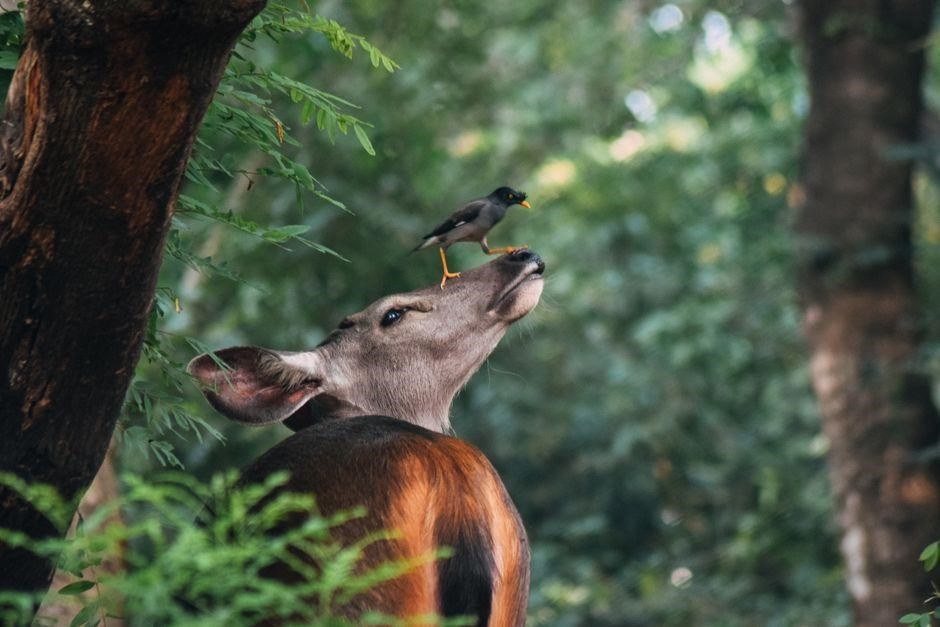
Education and Outreach in Conservation
Conservation education bridges the gap between scientific research and public engagement‚ fostering stewardship and informed decision‑making. Core curricula in Primack’s notes emphasize experiential learning—field surveys‚ GIS mapping‚ and species‑monitoring projects—to translate theory into practice. Outreach initiatives‚ such as citizen science programs (e.g.‚ eBird‚ iNaturalist)‚ mobilize non‑experts to collect data‚ enhancing spatial coverage while building community ownership. Digital platforms—interactive webinars‚ mobile apps‚ and social media campaigns—extend reach beyond traditional classrooms‚ targeting diverse audiences including policymakers‚ industry stakeholders‚ and indigenous communities. Partnerships with NGOs‚ local schools‚ and museums create multidisciplinary workshops that contextualize ecological concepts within socio‑cultural frameworks. Assessment tools—pre‑and post‑survey questionnaires‚ knowledge quizzes‚ and behavioral metrics—evaluate learning outcomes and guide iterative improvement. Integrating local ecological knowledge ensures relevance and respects cultural heritage‚ while capacity‑building workshops empower participants to implement conservation actions at the grassroots level. Ultimately‚ education and outreach cultivate a conservation ethic‚ translating scientific insights into tangible‚ long‑term environmental stewardship. Embedding these practices into curricula and projects equips students with ethical responsibility‚ and hands‑on skills to lead sustainable global conservation for all!? Students become champions of resilience!
Case Studies from the Primack Text
Primack’s PDF notes compile a series of case studies that anchor theoretical concepts in scenarios. The Florida panther recovery program exemplifies how modeling‚ rescue‚ and habitat connectivity can reverse population decline. A second vignette details the restoration of the Chesapeake Bay oyster reef‚ highlighting the role of keystone species‚ nutrient cycling‚ and stakeholder collaboration. The notes also cover the invasive kudzu crisis in the southeastern United States‚ demonstrating how early detection‚ response‚ and public education mitigate ecological and economic impacts. A third case focuses on the conservation of the red‑knobbed pink dolphin in the Amazon basin‚ illustrating the integration of community‑based monitoring‚ protected‑area enforcement‚ and sustainable tourism. Each study is accompanied by data tables‚ maps‚ and discussion prompts that encourage critical analysis of management objectives‚ trade‑offs‚ and policy implications. By juxtaposing successes and setbacks‚ the notes foster a nuanced understanding of adaptive management and the importance of interdisciplinary approaches in conservation biology. The PDF notes also provide downloadable datasets and interactive maps that allow students to perform their own analyses‚ reinforcing the link between data collection and conservation decision‑making. Additionally‚ reflective exercises encourage learners to evaluate dilemmas‚ such as development with protection‚ fostering critical thinking skills essential for conservation practitioners. now!
Future Directions and Emerging Challenges
Emerging threats such as rapid climate shifts‚ novel pathogens‚ and expanding urbanization demand adaptive frameworks that integrate real‑time monitoring‚ predictive modeling‚ and transboundary governance. The Primack PDF notes highlight the growing role of genomic tools—environmental DNA‚ whole‑genome sequencing‚ and CRISPR‑based rescue to assess genetic health and guide reintroduction programs. They also emphasize the importance of large‑scale data synthesis‚ encouraging students to use open‑access repositories (e.g.‚ GBIF‚ iNaturalist) to map species distributions and identify climate‑refugia. Policy evolution is framed through the lens of the Convention on Biological Diversity’s post‑2020 targets‚ urging the incorporation of ecosystem services valuation into national accounting. The notes stress the need for interdisciplinary collaboration‚ linking ecology‚ economics‚ and social sciences to design equitable conservation strategies that address both biodiversity loss and human well‑being. Finally‚ the PDF includes a section on emerging technologies such as autonomous drones‚ remote sensing‚ and machine‑learning algorithms for habitat mapping‚ offering hands‑on exercises that demonstrate how these tools can accelerate field data collection and improve decision‑making under uncertainty. These insights empower students to apply theory real.
Students critically assess case studies‚ proposing data‑driven interventions that align with local governance‚ cultivating conservationists ready for future ecological challenges. and policy design today.
The PDF includes worksheets guiding students via population viability calculations‚ genetic diversity assessments‚ and cost‑benefit analyses‚ building quantitative skills for conservation practice