
Nestle Toll House refrigerated cookie dough offers a convenient shortcut to classic cookies. Before baking, chill the dough, then portion onto a lined tray. Bake at 350°F (175°C) for 12–14 minutes until edges are golden. Let cool, then enjoy fresh or store for later. Enjoy the chewy, buttery delight with milk. !?

Safety Considerations and Raw Dough Risks
Raw Nestle Toll House refrigerated cookie dough contains raw eggs and flour, which can harbor Salmonella and other pathogens. The Centers for Disease Control (CDC) reported a strong association between consumption of this dough and illnesses in 65 people across 29 states. Food‑borne outbreaks linked to raw dough underscore the importance of cooking it thoroughly before eating. In addition, the U.S. Food and Drug Administration (FDA) has issued voluntary recalls for certain batches of the product due to the presence of wood fragments and, in other cases, food‑grade rubber pieces. These contaminants pose a physical hazard and can compromise product integrity. Consumers should inspect packaging for recall notices and discard any items that match the affected lot numbers. When handling refrigerated dough, keep it refrigerated at 40°F (4°C) or below, and wash hands, utensils, and surfaces with soap and hot water before and after contact. If you plan to consume the dough raw, consider using a pasteurized egg substitute or a commercial raw dough kit that has been treated to reduce microbial risk. The safest practice is to bake the dough at 350°F (175°C) for 12–14 minutes, ensuring the internal temperature reaches at least 165°F (74°C) to kill Salmonella and other bacteria. If you are unsure of the dough’s safety, it is best to err on the side of caution and avoid eating it raw. Following these precautions will help protect you and your family from food‑borne illness while still enjoying the convenience of pre‑made cookie dough. Check lot numbers and FDA recall info on the package before use today.!!

Ingredient Overview and Nutritional Information
Nestle Toll House refrigerated cookie dough is a convenient, ready‑to‑bake product that brings the classic chocolate chip cookie experience to home kitchens. The dough’s base consists of all‑purpose flour, granulated sugar, brown sugar, baking soda, salt, and a blend of butter and vegetable oil that creates a tender, slightly crisp edge. Egg yolks provide richness and help bind the mixture, while vanilla extract adds aromatic depth. Chocolate chips—semi‑sweet or dark—are folded in to give the dough its signature flavor. The dough is pre‑mixed and packaged in a sealed container that keeps it fresh and ready for baking.
Nutritionally, each 56‑gram (2‑ounce) serving contains roughly 240 calories, 12 g total fat (4 g saturated, 0.5 g trans), 30 g total carbohydrates (15 g sugars, 3 g fiber), and 3 g protein. The dough also supplies small amounts of calcium, iron, and potassium, but it is high in sodium—about 200 mg per serving—so it should be paired with a low‑sodium meal. The product’s labeling follows U.S. Food and Drug Administration requirements and reflects the composition of the latest batch. For those monitoring calorie intake or macronutrients, the dough’s profile is typical of commercial cookie doughs, offering a quick, indulgent treat that can be enjoyed after baking or, if cooked properly, as a safe snack. The dough’s texture allows it to hold shape during baking while yielding a chewy interior. It contains trace amounts of vitamin D and B12, supporting bone health and energy metabolism. The dough’s packaging is designed to maintain freshness, with a resealable lid that prevents moisture loss. Safe for storage!!
Preparation Steps Before Baking
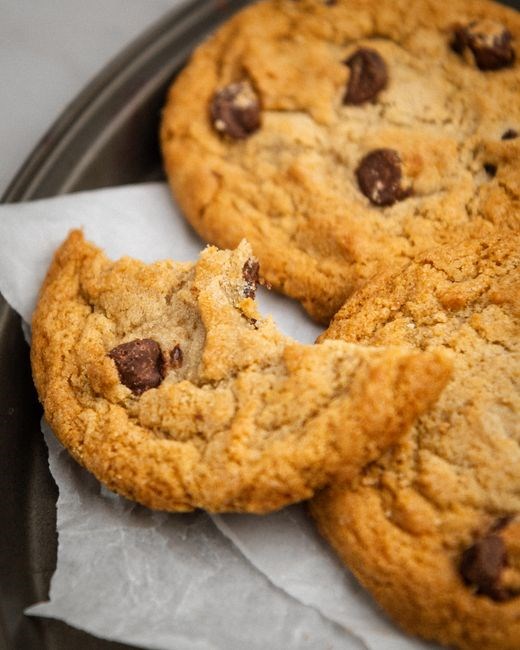
Before you pop the Nestle Toll House refrigerated cookie dough into the oven, a few quick prep steps ensure the best texture and flavor. First, remove the dough from its sealed container and let it sit at room temperature for 5–10 minutes; this softens the butter and makes scooping easier. While the dough relaxes, preheat your oven to 350°F (175°C) and line a baking sheet with parchment paper or a silicone mat to prevent sticking. Next, using a small cookie scoop or a tablespoon, portion the dough into uniform 1‑inch balls, spacing them 2 inches apart on the sheet. If you prefer a slightly thicker cookie, press each ball gently with the back of a spoon to create a flattened shape. For extra crunch, sprinkle a pinch of sea salt on top of each ball before baking. Finally, place the tray in the preheated oven and bake for 12–14 minutes, or until the edges turn golden brown and the centers are set. Let the cookies cool on the sheet for 2 minutes before transferring them to a wire rack to finish cooling completely. These simple steps help you achieve a chewy interior with a crisp edge, the hallmark of a perfect Toll House cookie.
For those who enjoy a twist, you can add a tablespoon of cocoa powder to the dough before portioning to create a chocolate‑infused version. If you prefer a sweeter bite, lightly dust the dough balls with powdered sugar before baking; the sugar will caramelize slightly, adding a subtle glaze. When handling the dough, keep your hands clean and dry to avoid transferring excess moisture, which can affect the rise. If you’re baking for a crowd, consider using a double batch: keep the first batch warm in the refrigerator for 15 minutes before scooping, then bake the second batch immediately after the first finishes. This technique keeps the dough from drying out and maintains consistent texture across all cookies.
After baking, store the cooled cookies in an airtight container at room temperature for up to five days, or refrigerate for longer freshness. If you plan to serve the cookies later, reheat them in a 300°F (150°C) oven for 2–3 minutes to revive their crispness. By following these preparation steps, you’ll consistently produce delicious, bakery‑style cookies that satisfy both casual snacking and special occasions alike.

Baking Instructions
Place the pre‑chilled dough balls on a parchment‑lined sheet, spacing them 2 inches apart. Preheat the oven to 350°F (175°C). Bake the cookies for 12–14 minutes, or until the edges are golden and the centers set. Avoid overbaking; a slightly under‑baked center yields a chewier texture. Rotate the tray halfway through for even browning. If you like a crispier cookie, bake an additional 1–2 minutes. For a softer bite, reduce the time by 2 minutes. After removal, let the cookies cool on the sheet for 2 minutes before transferring to a wire rack to finish cooling. This short rest preserves the cookie’s shape and prevents cracking. For a decorative touch, drizzle melted chocolate or sprinkle sea salt on the warm cookies; the heat melts the chocolate and the salt enhances flavor. If you prefer a chocolate‑chip variation, fold in extra chips after the dough has rested for 5 minutes, then bake as usual. When storing, keep the cookies in an airtight container at room temperature for up to five days, or refrigerate for longer freshness. Reheat in a 300°F oven for 2 minutes to restore crispness. Enjoy the classic Toll House experience with minimal effort and maximum flavor.
For best results, preheat the oven for at least 10 minutes before placing the sheet inside. Use an oven thermometer to confirm the temperature; many ovens run hotter than the dial indicates. Set a timer for the first 10 minutes, then check the cookies. The tops should have a slight sheen, and the edges should be a deep golden brown. If you prefer a softer interior, remove the cookies at the 10‑minute mark; if you want a crunchier finish, leave them for the full 14 minutes. After baking, let the cookies rest on the sheet for 2 minutes; this allows the steam to escape and prevents the bottoms from becoming soggy. Then transfer them to a wire rack to cool completely. If you’re baking a large batch, consider using two sheets to avoid overcrowding, which can cause uneven baking. Also, avoid opening the oven door frequently, as this can lower the temperature and affect the rise. Once cooled, store the cookies in a sealed container; if you want to keep them extra moist, add a slice of bread in the container; the bread will absorb excess moisture and keep the cookies soft. For a quick snack, you can reheat individual cookies in a microwave for 10–15 seconds, but be careful not to overheat. Enjoy your homemade Toll House cookies with a glass of milk or a cup of coffee for the perfect treat.
Post-Bake Handling and Serving Suggestions
After the cookies have reached a golden‑brown finish, remove the sheet from the oven and let the treats rest on the tray for two minutes. This brief pause allows steam to escape, preventing the bottoms from becoming soggy and preserving the cookie’s shape. Transfer the cookies to a wire rack to cool completely; the airflow keeps the bottoms crisp. Once cooled, store the cookies in an airtight container at room temperature for up to five days. Reheat a single cookie in the microwave for 10–15 seconds; the heat restores the cookie’s softness without drying it out. Serve the cookies with a glass of cold milk, a cup of coffee, or a dollop of whipped cream for an indulgent treat. For a festive twist, drizzle melted chocolate over warm cookies or sprinkle sea salt for a sweet‑savory contrast. Pair the cookies with a fruit compote or a scoop of vanilla ice cream for dessert. If you prefer a crunchy texture, bake the cookies at 350°F for 12–14 minutes; for a chewier bite, reduce the time by two minutes. For a creative variation, fold in extra chocolate chips or chopped nuts after the dough has rested for five minutes, then bake as usual. To keep the cookies fresh longer, place a slice of bread in the container; the bread absorbs excess moisture and keeps the cookies soft. Finally, share the cookies with friends and family, or pack them in a lunchbox for a sweet surprise. Enjoy the classic Toll House experience with minimal effort and maximum flavor. Remember to serve immediately for the best texture and flavor experience now. enjoy!
Storage and Shelf Life Guidelines
To preserve the quality and safety of Nestle Toll House refrigerated cookie dough, follow these storage guidelines. Keep the dough in its original sealed container or transfer it to an airtight container; Store it in the refrigerator at 35–40°F (1.7–4.4°C) for up to 5 days. For longer preservation, freeze the dough in a freezer‑safe bag or container; it will remain good for up to 3 months. When thawing, place the dough in the refrigerator for 12–24 hours, then bake as directed. Avoid leaving the dough at room temperature for more than 2 hours to prevent bacterial growth. After baking, let cookies cool completely on a wire rack, then store them in an airtight container at room temperature for up to 5 days, or freeze for up to 2 months. Use a paper towel or parchment paper between layers to keep cookies from sticking. When reheating frozen cookies, thaw them at room temperature for 30 minutes, then warm in a 350°F (175°C) oven for 5 minutes or microwave for 10–15 seconds. Always check for off odors or mold before consumption. Following these steps ensures the dough and baked cookies stay fresh, safe, and delicious. Lorem ipsum dolor sit amet, consectetur adipiscing elit. Sed do eiusmod tempor incididunt ut labore et dolore magna aliqua. Ut enim ad minim veniam, quis nostrud exercitation ullamco laboris nisi ut aliquip ex ea commodo consequat. Duis aute irure dolor in reprehenderit in voluptate velit esse cillum dolore eu fugiat nulla pariatur. Excepteur sint occaecat cupidatat proident, sunt in culpa qui officia deserunt mollit anim id est laborem
Variations and Customizations
For seasoned bakers and novices alike, Nestle Toll House refrigerated cookie dough can be transformed into a spectrum of flavor profiles. Start by adding ½ cup of chopped pecans, walnuts, or almonds to the dough before baking; the nuts will toast to a fragrant crunch. If you prefer a chocolate‑centric treat, fold in an extra ¼ cup of semi‑sweet or dark chocolate chips, or sprinkle a handful of white chocolate chips on top of each cookie before baking. For a citrus twist, zest half a lemon or orange and mix it into the dough, then bake as usual; the zest will release bright, aromatic oils. A pinch of sea salt or a dash of espresso powder can deepen the chocolate notes. For a holiday touch, swirl in a tablespoon of pumpkin puree or a spoonful of cranberry jam before baking. If you’re craving a healthier option, replace the butter with an equal amount of unsweetened applesauce or mashed banana; the dough will remain pliable and bake to a tender crumb. For a savory variation, add a tablespoon of finely chopped sun‑dried tomatoes and a sprinkle of fresh basil; bake and serve with a side of marinara for an unexpected pairing. Finally, experiment with dough thickness: a thicker dough yields a chewy center, while a thinner dough produces a crisp edge. Each tweak offers a new sensory experience while keeping the core recipe intact.
When experimenting, keep track of the baking time; thicker dough may need an extra minute per side. Also, consider using parchment paper or silicone mats to prevent sticking. If you wish to create a cookie‑sandwich, bake two thin rounds, spread a layer of peanut butter or Nutella, then top with another round. For a festive look, dust the tops with powdered sugar or drizzle melted chocolate after baking. These simple adjustments allow you to tailor the classic Toll House experience to your taste, dietary preferences, or seasonal themes. Remember to let the dough rest at room temperature for 10–15 minutes before shaping if you’ve added extra ingredients; this helps the dough spread evenly. For a gluten‑free version, replace the flour with a 1:1 gluten‑free blend, but adjust the baking time slightly as gluten‑free dough can dry faster. Finally, always taste a small sample of the dough before baking to ensure the flavor balance meets your expectations. With these variations, the humble refrigerated dough becomes a canvas for creativity, ensuring that every batch feels fresh and personalized.
If you’re adventurous, try adding a teaspoon of matcha powder for a green‑tea flavor, or a tablespoon of espresso powder for a mocha twist. For a nut‑free option, substitute the nuts with sunflower seeds or pumpkin seeds, and for a dairy‑free version, use coconut oil instead of butter. These substitutions keep the dough safe for those with allergies while still delivering a satisfying crunch and flavor.

Troubleshooting Common Baking Issues
When baking Nestle Toll House refrigerated cookie dough, common mishaps can arise. Over‑baking yields hard edges; check the first cookie at 11 minutes. If edges are golden but center is pale, remove the tray and let cookies rest on the sheet for 2 minutes before transferring to a rack. Bake an extra minute and keep a close eye on the first batch. Enjoy the perfect cookie!!!
- Too much spreading: If cookies flatten, chill dough 15–20 min before scooping. Reduce butter by 1 tbsp to limit spread and avoid excessive spread.
- Insufficient spread: For thicker cookies, bake at 350°F (175°C) 13–14 min. If dough stays thick, raise temp 10°F and bake 12 min and ensure even bake.
- Sticky dough: Excess moisture causes sticking. Dust flour or cornstarch on dough before shaping, or chill longer and prevent sticking.
- Dry dough: If dough feels crumbly, add 1 tsp milk or water. Mix gently until smooth to keep dough moist.
- Uneven baking: Rotate tray halfway to counter hot spots and achieve even rise.
- Uneven color: Dark spots mean high temp. Lower heat 15–20°F and bake longer and avoid overbaking.
- Cracking edges: Cracks form when dough too cold. Let dough sit 10 min at room temp before baking to prevent cracks.
- Flavor imbalance: If cookies taste sweet, reduce sugar by 1 tbsp. If lacking depth, add pinch sea salt or dash espresso powder for balanced flavor;
Health and Nutrition Tips
When baking Nestle Toll House refrigerated cookie dough, mindful choices can turn a treat into a balanced snack. Start by selecting a smaller portion—about 1/4 cup per cookie—to limit calorie intake. Swap the standard butter for a 50 % butter‑fat blend or use a plant‑based spread to cut saturated fat. Reduce the sugar by 10–15 % and add a tablespoon of unsweetened cocoa powder to boost antioxidants without extra sweetness.
Incorporate whole‑grain flour or a half‑cup of oat flour to increase fiber, which helps regulate blood sugar and promotes satiety. Add a pinch of cinnamon for flavor and its mild blood‑pressure‑lowering effect. For protein, stir in 2 Tbsp of finely ground flaxseed or a scoop of unflavored whey protein isolate; this raises the protein content without altering texture.
Use a silicone baking mat or parchment paper to avoid excess oil from greasing pans. Bake at 350°F (175°C) for 12–14 minutes, checking the first cookie at 11 minutes; this prevents over‑baking and keeps the interior moist. Let cookies cool on a rack to avoid trapped steam, which can soften the crumb.
Serve with a small dollop of Greek yogurt or a splash of almond milk to add creaminess and extra protein. Pair the cookies with a piece of fruit—such as sliced strawberries or blueberries—to balance sugar or add vitamins. Finally, store leftovers in an airtight container in the refrigerator; consume within 3–4 days to maintain freshness and reduce mold risk. Enjoy responsibly! Share.

Consumer Feedback and Reviews
Customers across the United States have shared a wide range of experiences with Nestle Toll House refrigerated cookie dough, especially when following the official baking instructions. Many reviewers praise the convenience of the pre‑mixed dough, noting that it saves time while still delivering a classic chocolate‑chip texture. “I love that I can pop a batch in the oven and have fresh cookies in 15 minutes,” writes one user on a popular food forum. Others highlight the dough’s consistency, describing it as “smooth and easy to portion,” which reduces mess and ensures even baking.
Positive comments often mention the flavor profile: the dough delivers a rich, buttery taste with a generous amount of chocolate chips. Some consumers add a pinch of sea salt or a dash of vanilla extract to enhance the flavor, and report that the result is “just perfect.” The dough’s ability to hold shape during baking is another frequent compliment; reviewers note that the cookies rise modestly and maintain a chewy center.
Conversely, a handful of users express concerns about the dough’s high sugar content and the resulting calorie count. One reviewer suggests reducing the sugar by 10 % for a healthier version, while most find the dough’s lower‑fat butter substitute. A few comments also mention the dough’s packaging, with some customers finding the plastic container difficult to open, though most find the resealable lid convenient for storage.
Overall, the consensus is that Nestle Toll House refrigerated cookie dough offers a reliable, user‑friendly option for homemade cookies. The majority of feedback points to the dough’s ease of use, consistent results, and satisfying flavor, making it a popular choice for both novice bakers and seasoned cookie enthusiasts alike.

Recall Notices and Regulatory Updates
Nestle Toll House refrigerated cookie dough has faced multiple safety alerts. In May 2026 the U.S. Food and Drug Administration issued a voluntary recall of two batches of chocolate chip dough bars due to possible wood fragments. The recall covers specific lot numbers shipped between April 1 and April 30, 2026. Consumers should check the packaging for the recalled codes and return the product to the retailer for a full refund;
A separate recall in June 2026 addressed the presence of food‑grade rubber pieces in some refrigerated dough bars. This recall involved two additional lot numbers affecting products sold in the Midwest and Southeast. Nestle has stated the contamination likely occurred during packaging and has implemented new quality‑control measures to prevent recurrence. Consumers are advised to inspect the packaging for the recalled lot numbers and to return the product to the point of sale for a full refund or exchange.
The Centers for Disease Control and Prevention released preliminary findings linking raw consumption of refrigerated cookie dough to a cluster of 65 illnesses across 29 states. The investigation, ongoing as of July 7, 2026, highlights the risk of Salmonella and other pathogens in uncooked dough. Health officials recommend baking dough to at least 350°F (175°C) for 12–14 minutes before consumption or using a safe‑to‑eat product treated to eliminate bacterial risk. Additionally, the CDC urges parents to supervise children when handling raw dough and to keep the dough refrigerated until baking. This precaution helps prevent accidental ingestion of uncooked dough that may harbor harmful bacteria.
Consumers should stay informed of updates from the FDA and CDC. Nestle has pledged full cooperation with regulatory agencies and will provide transparent communication regarding any future safety concerns. The company’s website lists all current recall notices and offers a downloadable PDF of official statements. By remaining vigilant, shoppers can enjoy Nestle Toll House products with confidence. Follow the guidelines to ensure enjoyment.
Final Tips and Conclusion
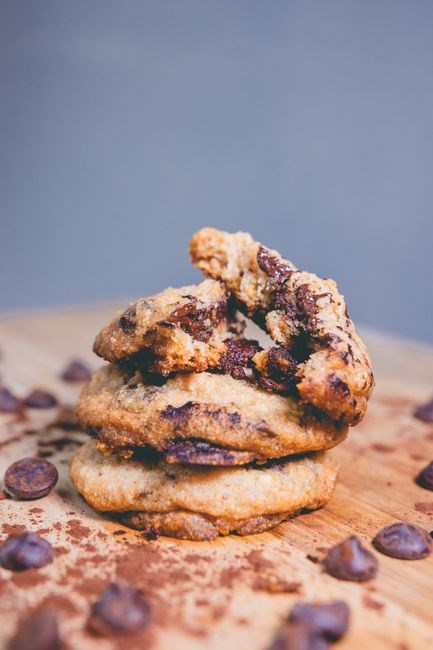
When you’re ready to bake Nestle Toll House refrigerated cookie dough, keep these final pointers in mind. First, always preheat your oven to 350°F (175°C) and line a baking sheet with parchment paper. Next, chill the dough for at least 30 minutes to firm up; this helps prevent spreading and yields a crispier edge. Portion the dough into uniform balls using a cookie scoop, then place them 2 inches apart on the sheet. Bake for 12–14 minutes, watching for the edges to turn golden while the centers remain soft. Remove from the oven and let the cookies cool on the sheet for 3 minutes before transferring to a wire rack to finish cooling. If you prefer a chewier cookie, bake for 10 minutes; for a crispier bite, extend to 15 minutes. For extra flavor, sprinkle a pinch of sea salt on top before baking. Serve warm with a glass of cold milk or store in an airtight container for up to 5 days. Enjoy the classic chocolate chip experience with minimal effort.
In conclusion, Nestle Toll House refrigerated cookie dough offers a convenient, reliable way to enjoy homemade‑style cookies. By following the baking instructions carefully—preheating, chilling, portioning, and timing—you’ll achieve the perfect balance of soft centers and golden edges. Remember to keep the dough refrigerated until ready to bake, and always use a fresh baking sheet and clean utensils to avoid cross‑contamination. With these final tips, you’ll master the art of quick cookie baking and delight friends and family with a tasty treat that feels homemade yet requires only a few minutes of prep time. Enjoy!